

July 24 is International Self-Care Day – a perfect time to review 10 of the top caregiver wellness and self-care practices that come to us from around the world.
In my book, ME TIME MONDAY, I write about how many of our modern-day wellness trends are really just repackaged from ancient cultures who have shared these holistic wellness techniques with us from thousands of years ago.
I picked 10 of these ancient (and some not-so-ancient) global wellness tips to share that are included in my book and that also represent the 7 elements of wellness from ME TIME MONDAY: Physical, Emotional, Social, Intellectual, Environmental, Financial and Spiritual.
IF YOU WOULD RATHER WATCH THAN READ THIS BLOG – CHECK OUT OUR “SELF-CARE IN 7 MINUTES” VIDEO SERIES ON OUR CAREGIVING CLUB YOU TUBE CHANNEL. THIS VIDEO CAN ALSO BE VIEWED HERE:
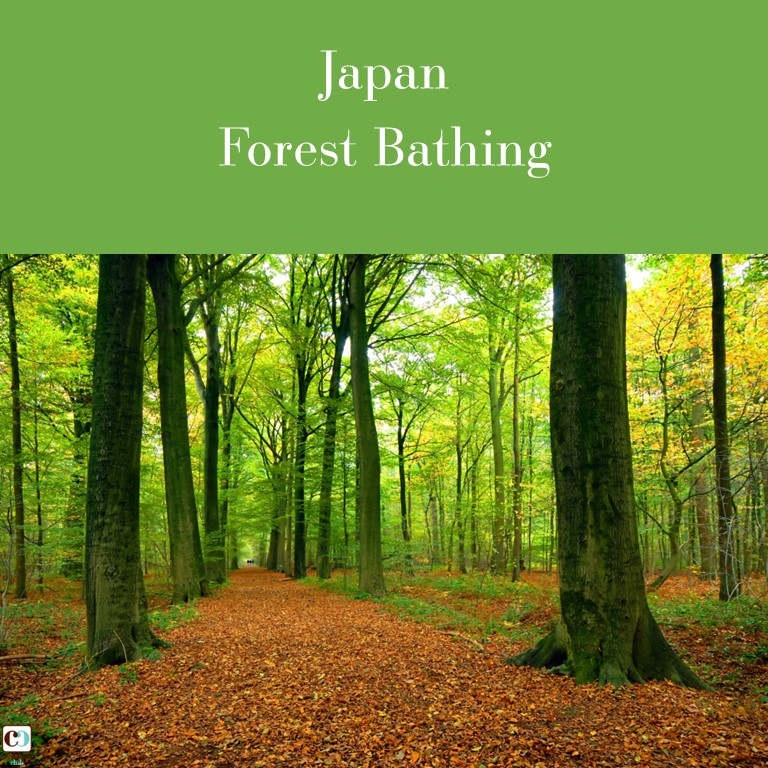
Scientific and environmental experts believe 2 billion years ago during the first ice age, the Earth experienced increased oxygen concentrations allowing photosynthesis, an energy source for complex life. This process is where green plant life including trees, use sunlight to create a food source from carbon dioxide and water. This causes the plant life to emit a green pigment called chlorophyll that removes the carbon dioxide while it creates and releases oxygen in its surroundings. This is why when you are in a forest or among abundantly green plant life, your lungs breathe in more oxygen than normal to reduce stress and boost immunity.
Forest bathing which is known as shinrin-yoku, in Japanese which means “luxuriating in the trees,” is a type of nature hike combined with meditative quiet officially launched in 1982 in Japan as a national health program. What is unique about forest bathing versus other types of calming exercises and meditation is it is an immersive experience. During physical exercise or meditation, you are concentrating on your movements or your breathing. Forest bathing is all about focusing on your environment using sensemaking: your five senses of sound, sight, smell, touch and even taste.
Beyond the stress relief and healing effects, forest bathing can also help with sleep. after two hours of forest bathing walks, the average sleep time of participants increased by 15% that translates into 54 more minutes of sleep per night.
If you cannot get to an actual forest, just walking where there are trees can have a similar effect if you can concentrate on your 5 senses and block out all the modern noise pollution.
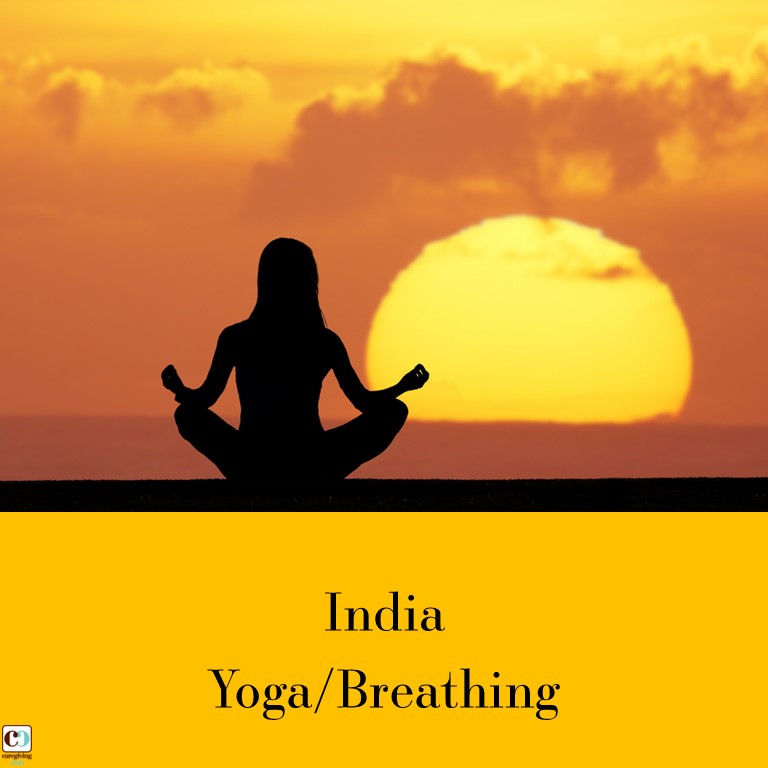
Yoga is an ancient – some historians say 5,000 years old – practice of breathing and poses that improve physical and mental health. It comes to us from ancient India and while yoga improves your flexibility and strength, it also enhances a sense of well-being and spirituality for many practitioners.
The great thing about yoga or even just doing breathing exercises is you can do it anywhere and it is essentially cost-free (unless you take a class from an instructor). It also can be done in just a few minutes to find long-lasting benefits.

We have the Vikings to thank for a practice many of us should embrace particularly later in life. It is called Swedish Death Cleaning and was made famous by Margareta Magnussen’s book, “The Gentle Art of Swedish Death Cleaning: How to Free Yourself and Your Family from a Lifetime of Clutter.“
When we have cluttered spaces in our homes it negatively impacts our environmental health. Not being able to see past piles of clothes or stacks of magazines actually triggers a stress response in our brain and our sympathetic nervous system kicks into overdrive of not being able to see all the threats in our homes. We may rationalize that we know there is not a tiger or bear hiding underneath all your shoes thrown on the closet floor but our ancient brain is kicking into survival mode and says “I’m not so sure.”
Swedish Death Cleaning is based on the ancient Viking ritual of giving away one’s belongings as you age and before death. It was an essential way to prepare for the afterlife in Valhalla.
Today, it makes sense to get rid of the garage and attic stuff we have not looked at in years. This plays into the environmental wellness of having healing spaces that comfort us rather than cause chaos, confusion and chronic mental stress.
Follow our friend Matt Paxton of Legacy List and his book on decluttering for great tips. We love the idea of taking it one drawer at a time – which follows the miniflows/baby steps of the ME TIME MONDAY plan to spend 7 minutes to bring wellness into your life.
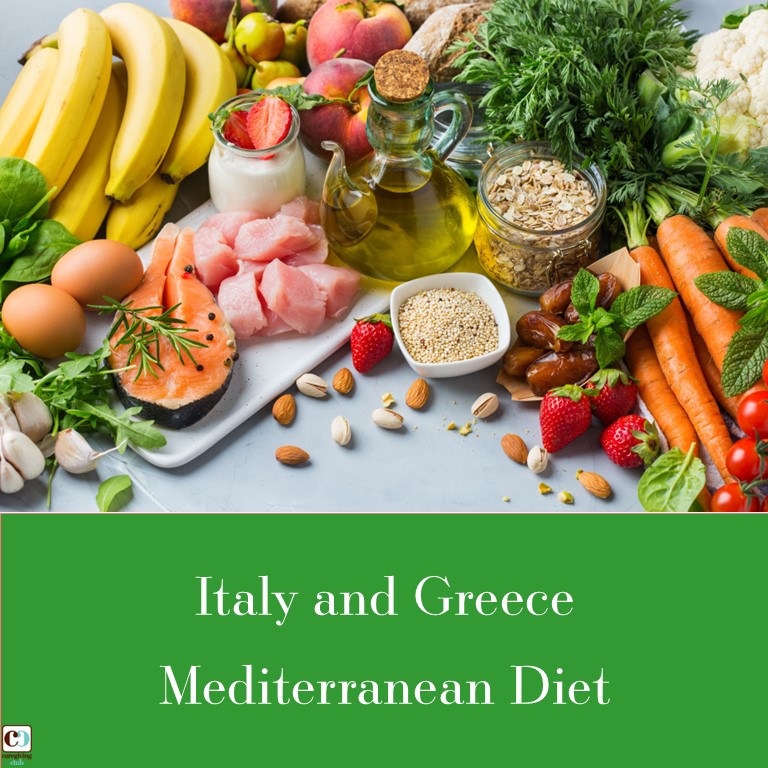
As opposed to trendy fad diets, since the 1950s the Mediterranean Diet method of eating has been identified as one of the scientifically healthiest diets you can adopt.
Its roots are based on a lifestyle for many centuries practiced in Italy, Greece, Spain, Croatia and other countries along the Mediterranean Sea. The Blue Zones research found eating foods nurtured in sunshine and eating socially with family and friends are key reasons why some people in Sardinia, Italy have lived to 100 years and beyond.
To increase your brain health you can combine the Mediterranean Diet with the heart-healthy DASH Diet which when combined is called the MIND Diet. It is basically the Mediterranean Diet but ensuring you have 7 servings a day of leafy greens and plenty of red and berries (and to make it fun and optimize your metabolism – use the Rainbow and Sunshine Diet guidelines from ME TIME MONDAY.
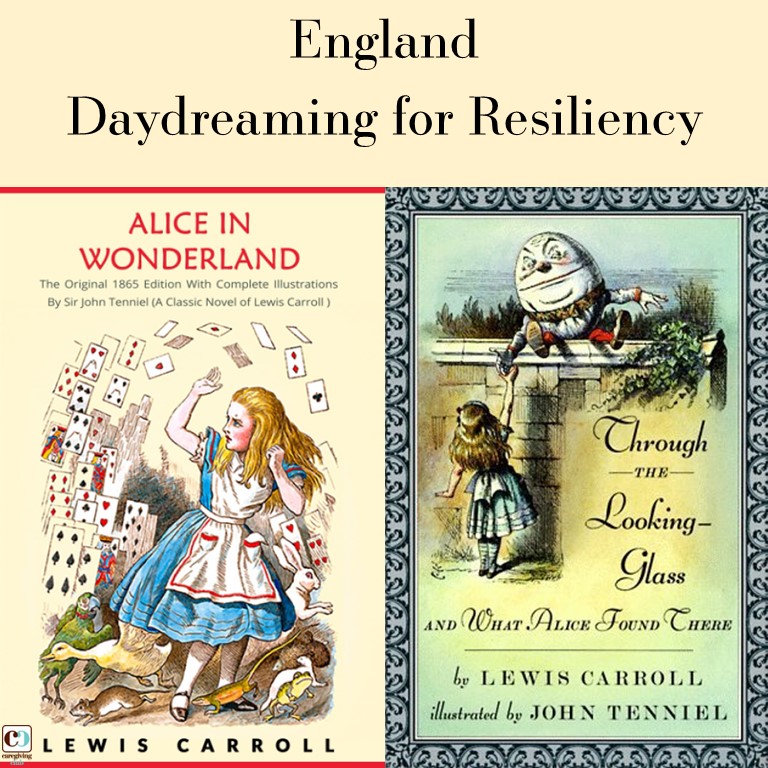
England has given us some of our most beloved literary heroes and heroines from authors including: Shakespeare, Agatha Christie, Arthur Conan Doyle’s Sherlock Holmes, JK Rowlings Harry Potter and my favorite: Lewis Carroll’s Alice in Wonderland.
What I love about Alice is her ability to be resilient in the face of absurdity, to adapt to her environments and try to understand the people and characters she meets and to carry with her a child-like wonder and awe of life. But in total, resiliency becomes Alice’s superpower to cope and survive.
Resiliency is defined as how to optimize your current state. Most psychologists agree people who are more resilient embrace optimism and hope, accept difficult situations, are solution-oriented, do not prescribe to the victim mentality, curate a success network, plan for a positive future, and take time for self-reflection. The greatest teacher of resilience is failure. Only then can you learn to survive and flourish.
The wellness hack for caregivers is to remember what Alice’s journey through Wonderland teaches us:
- She finds you cannot change the past but you can learn from it
- Doing things for others is a worthy pursuit
- Friends cannot be neglected
- Everything changes no matter what you do to keep it the same
These unforeseen journeys help you discover who you are – it is a path to identity.
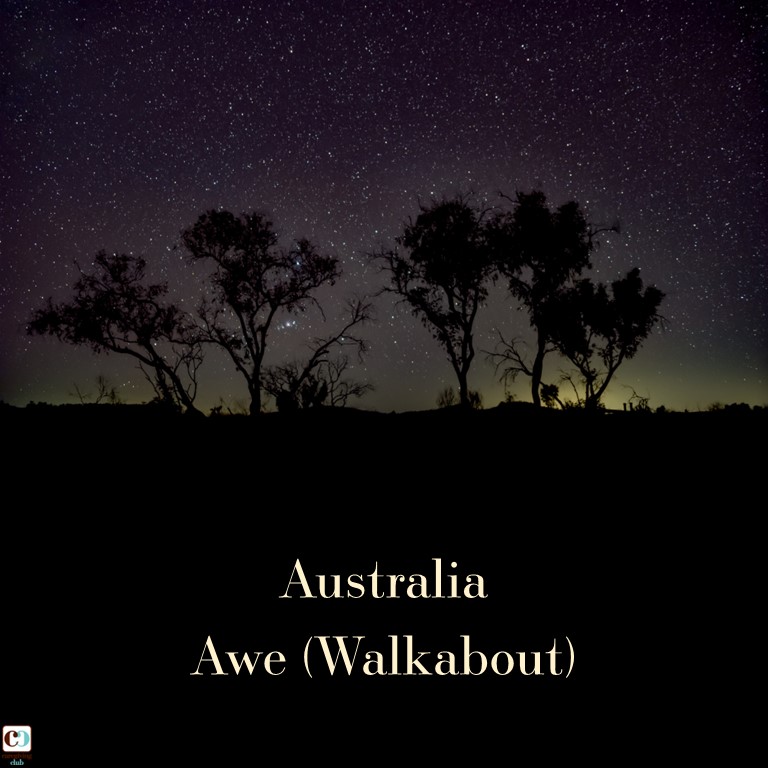
In my first book, A Cast of Caregivers, I was inspired by research on indigenous people in Australia’s Outback and how a special ritual called a Walkabout or Dreamtime resembled the journey caregivers take.
I called it the Caregiver Walkabout and it was a way to show caregivers that a silver lining of caregiving is experiencing awe and wonder.
While science tells you social heath and maintaining quality relationships is the key to health, happiness and longevity, there is something to be said about the solace of solitude. Great philosophers such as Pythagoras and Ralph Waldo Emerson believed mornings spent in solitude are when nature speaks to your imagination in ways that cannot be heard when you are in other’s company.
Some fear seeking solitude can lead to loneliness. But as I wrote in ME TIME MONDAY, being alone does not mean you are lonely. Loneliness is defined by the quality of your relationships not the quantity of time you spend with others.
To experience awe – a sense of wonder that is often something experienced solo. Awe is a unique blend of curiosity and uncertainty. While this would seem to create anxiety, instead it fills your soul with spirituality. These experiences are often described as removing the barriers to go beyond your boundaries and find moments of pure joy.
A 2021 study found experiencing moments of awe on a daily basis, reduced stress levels and increased self-reported feelings of life satisfaction. Other research stated feeling awe can lower inflammatory cytokines, that are created in response to the body’s invaders – they mobilize immune cells to fight the pathogens such as viruses or flus.
This makes Awe an anti-inflammatory.
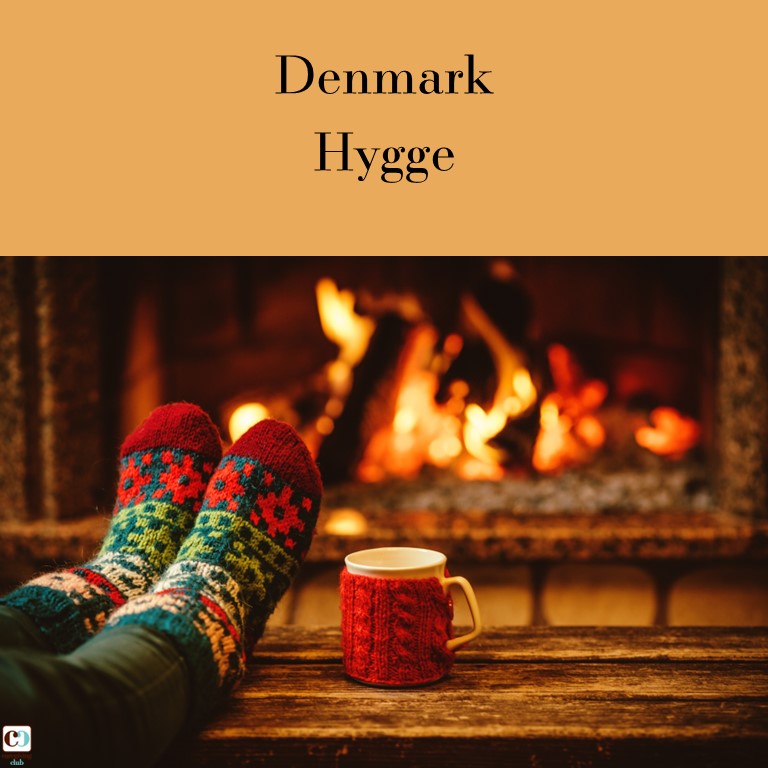
About a decade ago, the world discovered the Danish art of hygge. When I wrote about this practice of “warm coziness” in my first book, A Cast of Caregivers, hygge was still relatively unknown outside of Denmark. But over the last 10 years, this practice has spawned several books, numerous clubs and more evidence-based science on its effectiveness as a way for caregivers to practice self-care.
For those unfamiliar with hygge, it is the art of unplugging from the noise pollution of technology and the warp speed at which we live our lives. It is about finding warmth (a fireplace, cozy socks, a warm pet, cup of coffee or cocoa), curling up with a good book or knitting or even playing an old-fashioned board game such as Monopoly or Clue with family and friends. Candlelight replaces artificial lights and snuggling is encouraged. It is all about taking time to pause for soul relief.
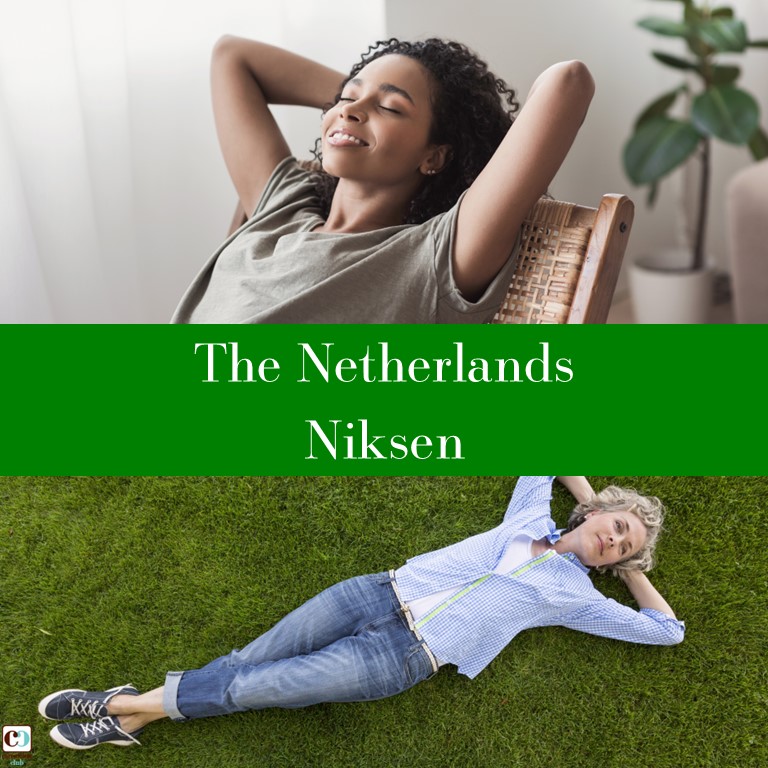
The Dutch offer us niksen, known as niks to insiders. This is similar to hygge but when we say digital detox, we really mean step away from the technology and even from social company.
Niksen is the purposeful art of doing nothing similar to what noted psychologist Claire Weekes prescribed for anxiety which she called “masterly inactivity.”
Letting your mind wander and just staring out a window or onto a wide vista to observe your surroundings without engaging or focusing too hard on what is happening around you. Instead of being mindful it is being purposefully mindless.
While this sounds simple – and yes, the health benefits have been tracked by science – it is a lot harder than you think. Try spending a few minutes not doing anything. No conversation, no reading, no playing with the dog nor doomscrolling on social media – literally nothing.
Researchers in the Netherlands observed how some people were originally uncomfortable with this “nothingness” assignment.
The art of just “being” is hard. But suddenly you see, hear, smell things you had not noticed. A ladybug crawling along a windowsill, leaves fluttering in the breeze, the clouds rolling by, the smell of flowers – niksen creates a very aware multisensory experience because you slowed everything down to be present.
In the ‘80s researchers began studying what is known as the French Paradox that showed despite a diet higher in saturated fats – the culprit in LDL “bad” cholesterol – the French people had a lower risk of cardiovascular disease.
The studies continued 20 years later and found possible links to moderate red wine consumption as a mitigating factor for the higher fat diet. While some experts point to any alcohol intake as detrimental to heart health, both the French Paradox and Mediterranean Diet indicate moderate red wine may actually be good for you.
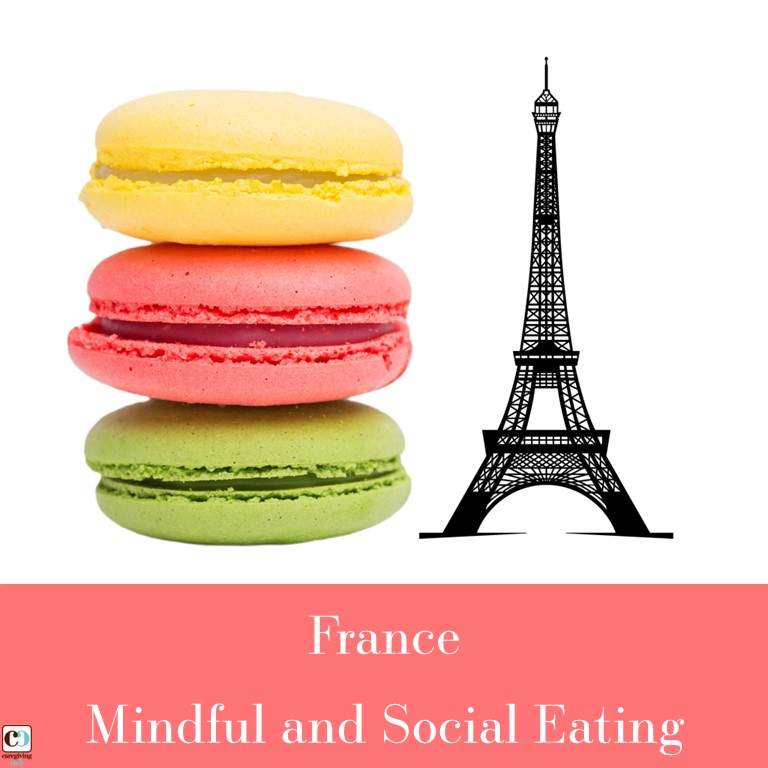
Another advantage to French cuisine is the way in which the French dine known as mindful eating as opposed to American-style dining which is mindless eating. Eating in France is not a frat house sport to see who can shove the most food in their mouths in the least amount of time. Instead, it is a social activity first – the French rarely dine alone.
French people do not eat in their sweatpants and do not scroll and dine on their smartphones. If you are dressed properly and eat socially you consume food at a slower pace that aids digestion and allows satiation to occur so you eat less. From first hunger pangs to satiation is 20 minutes – our brains need that long to process that we no longer need more food. A key rule for French dining is to make it petite and a multisensory experience. Everything from smaller plates to smaller bites are the antithesis of eating in America where “super-size” me has become a way of life.
For caregivers, try a little French style when it comes to your meals – Bon Appetit!
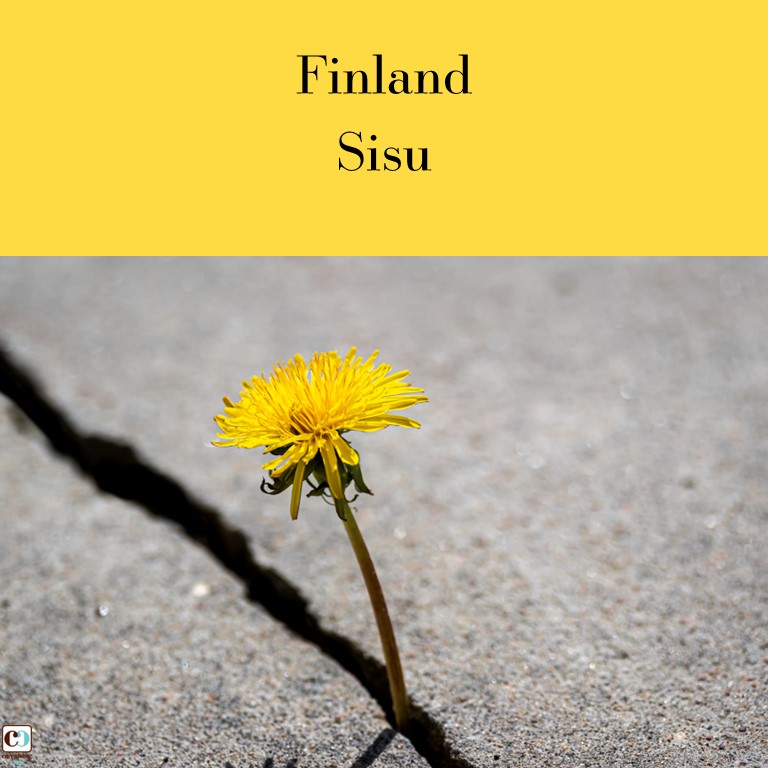
Sisu is a unique Finnish concept that embodies strength of will, determination, perseverance, and acting rationally in the face of adversity.
In Finland, which has ranked No. 1 in global happiness surveys since 2017, there is a 500-year-old cultural tradition known as sisu that loosely translated means “determination and fortitude.”
Sisu is an action-oriented mindset, encouraging individuals to take action even when faced with likely failure. It’s about tapping into an inner reserve of strength and perseverance when feeling depleted or overwhelmed.
This ability to tap into your inner locus of control and find strength and grit helps you transform and go from enduring an emotional struggle and adversity to allowing you to grow spiritually. It is about being resilient but also about re-establishing core beliefs that allow for resiliency in the future.
If you are enjoying these global wellness hacks for caregivers, check out ME TIME MONDAY for more inspiration and practical advice for helping caregivers find self-care solutions in 7 minutes or less and how to bring balance back into your life!
©2025 Sherri Snelling


0 Comments