

This blog celebrates August as National Wellness Month and National Relaxation Day on August 15. When you become a family caregiver, relaxation is about the last thing you get and the thing you need the most. Yet, chronic stress does not allow the body and brain to return to homeostasis – balance – which in turn creates inflammation that can lead to everything from backaches and headaches to asthma, allergies and chronic illnesses such as heart disease, diabesity and Alzheimer’s.
This is why it is critical for burned out or over-stressed caregivers to find just a few minutes a day to relax.
In my book, ME TIME MONDAY, I write about how relaxation does not have to take a lot of time or a lot of tools. You can practice in your car, in your office, at home, during a walk, etc. and it can take 7 minutes or less.
Here are seven relaxation hacks from my book that I really love and in talking with other caregivers seem to help. Everyone is different so you can pick and choose your relaxation technique or mix them up – like cross-training. Any of these should help bring calm to all the caregiving chaos you may be feeling.
IF YOU WOULD RATHER WATCH THAN READ THIS BLOG – CHECK OUT OUR “SELF-CARE IN 7 MINUTES” VIDEO SERIES ON OUR CAREGIVING CLUB YOU TUBE CHANNEL. THIS VIDEO CAN ALSO BE VIEWED HERE:
Just Breathe
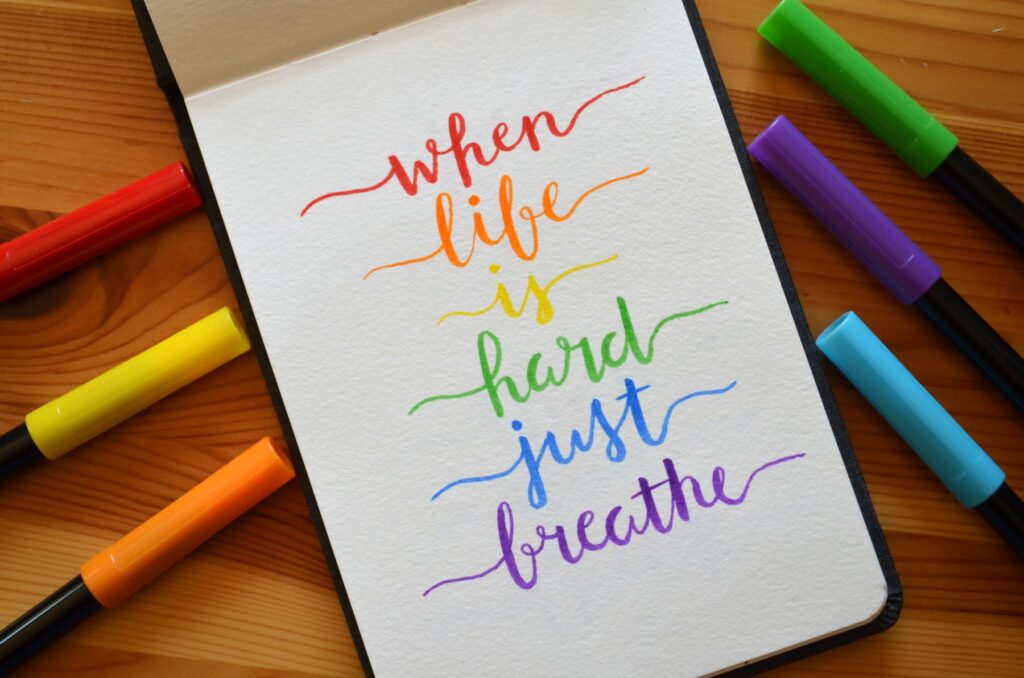
At the foundation of relaxation is learning how to control your breathing to take control your Vagus Nerve which is a key player in your autonomic nervous system. As the longest nerve in your body, the Vagus nerve starts where your head and neck meet in your back and travels all the way down to the bottom of your spine. It plays a significant role in regulating involuntary bodily functions like heart rate, digestion, and breathing. Learning to control this nerve is key to putting the brakes on your sympathetic nervous system (stress response) to bring your body and brain back into balance by engaging the parasympathetic nervous system (a process known as “rest and digest.”)
There are many types of breathing techniques to help decrease stress such as deep breathing, boxed breathing (also known as 4-Square Breathing), heart breathing, color breathing etc.
Color Breathing is simple and employs both the physical aspect of breathing with the mindfulness of visualization. In color breathing you choose a color that brings a picture or feeling in your mind. For instance, red is warm, hot, loving, blue is cool, fresh and soothing or orange is sweet and reminds you of autumn (my favorite season). Choose a color that brings you happiness or joy or calm and then focus on feeling by picturing yourself in the colored environment using your five senses (falling autumn leaves, smell and taste of pumpkin pie, a favorite soft orange sweater, favorite song of autumn (mine is Earth, Wind and Fire’s “Do you remember the 21st night of September?”
While you feel the color, at the same time practice one of the best-known heart-focused breathing techniques which is the 4-7-8 method favored by wellness experts and health care professionals.
As you breathe in for 4 beats, imagine you are doing so through your heart. Hold the breath for 7 seconds and focus on your happy color, and, as you breathe out for 8 seconds, imagine it is through your heart. Try to repeat this breathing technique 3 times a day while also picturing your color image. You can also do it in response to any stressful episode or encounter you may have.
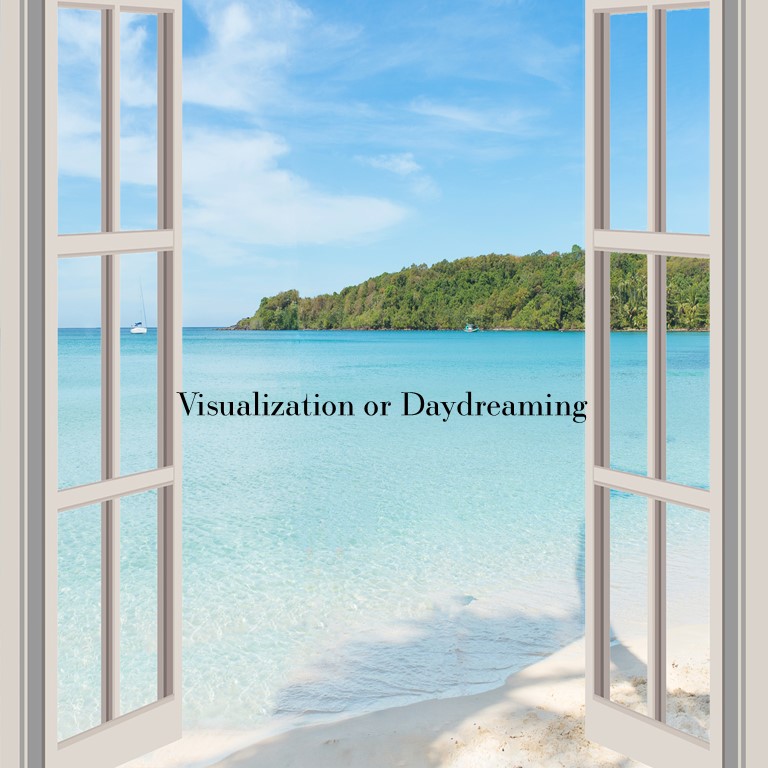
Visualization and Daydreaming
Visualization techniques are similar to the color breathing above but where you envision yourself in an environment of your choosing that you control and that brings you happiness. For instance, at the beach, in the snowy mountains, in the tranquil desert or on a kayak trip down a beautiful lake or river.
Visualization is an important element of the Claire Weeke’s technique to address anxiety that includes visualizing yourself meeting your anxiety and identifying but then floating past your fears and anxieties to take back control over your stress response.
Another visualization technique is to create your own internal movie in your brain which we call daydreams. In daydreams, you experience all five senses even if it is coming from memory and being forecasted into your future. What is empowering about daydreaming is that we are in 100% control of the story and therefore this becomes a powerful exercise to help you relax where you are in control and your parasympathetic nervous system and its Vagus Nerve are calmed.
Sound Bathing and Music
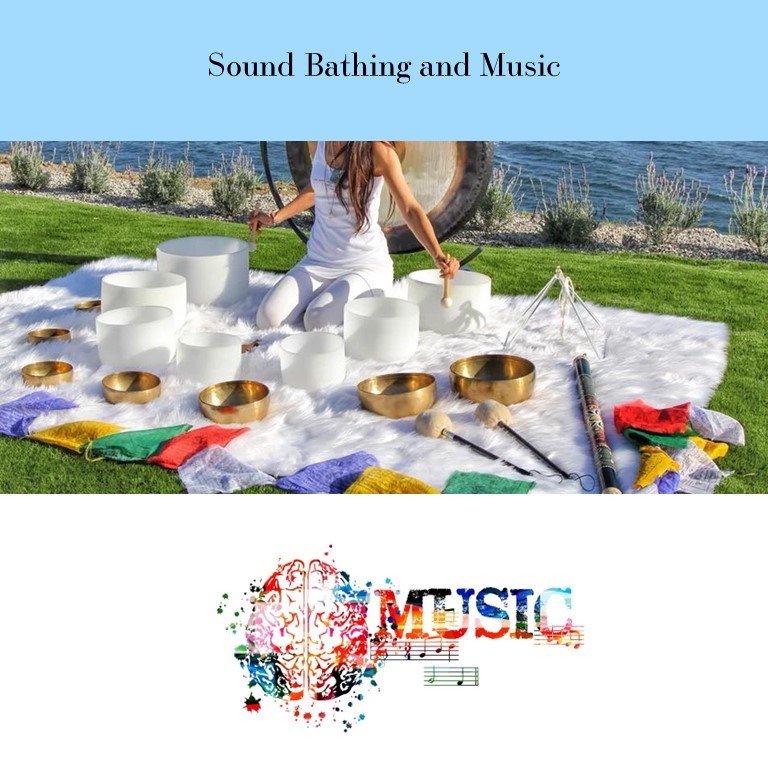
Sound bathing is a meditative practice that uses resonant sound waves to induce deep relaxation and potentially promote physical and emotional well-being. The experience involves immersing yourself in a soundscape created by various instruments, such as singing bowls, gongs and chimes.
The soothing sounds and vibrations in a sound bath has been shown to shift the brain’s activity from the usual beta state (alertness) to theta brainwave states (relaxation), which are associated with deep relaxation and meditation. Some research suggests sound bathing may also help activate the parasympathetic nervous system to lower heart rate, relax muscles, and reduce stress. You can do sound bathing in a class with others, just you and an instructor or even buy the tools and practice it yourself. And you can do it indoors or outdoors.
Another option using sound for relaxation is music which also has the ability to boost your mood. Choose music that has a slower beat than your heart – around 60 BPM or less – this helps your brain do sound synching where the body’s nervous system and heart beat is synched with the slower rhythm of the music.
Whether you like trance or classical music – there are many great music genres to try. The secret is to not do anything else while you focus on the music. Sit in a favorite chair or lay down and maybe close your eyes and let the music wash over you.
Progressive Muscle Relaxation (PMR)
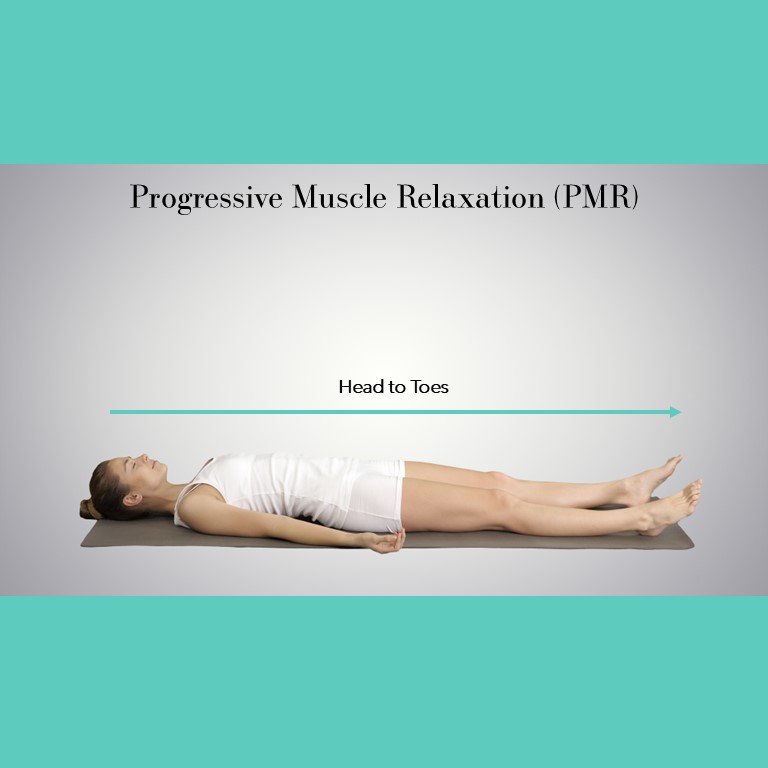
Progressive Muscle Relaxation (PMR) is a great way to spend 7 minutes helping your entire body and your brain to relax. It can be done sitting or laying on your back. This technique helps you really focus on your breathing and your body from a systemic, progressive exercise. You feel more in tune with the tension in your body and can actually feel it starting to leave your system as you go through the exercise. This relaxation technique can help reduce stress, anxiety, and pain, improve sleep quality, and even lower blood pressure.
1. Start with your face – squeeze it squinting your eyes, nose, cheeks for 10 seconds then release and do a deep breath or 4-7-8 breath
2. Progress to the neck and shoulders – squeeze the neck area & bring your shoulders up to your ears for 10 seconds then relax for 10 seconds with a breathing technique of your choice
3. Progress to your arms – squeeze the muscles in your arms for 10 seconds and then release for 10 seconds; then to hands – squeeze. Another deep breath.
4. Go to the abdomen and then to your bum (squeeze those other cheeks!). Another breath.
5. Then to legs and calves. More breathing.
6. End with feet – squeeze in toes and rotate feet at the ankles then relax
7. End with a deep breath raising the abdomen and blowing out your breath through pursed lips (like blowing out of a straw)
Soothing Soapy Hands
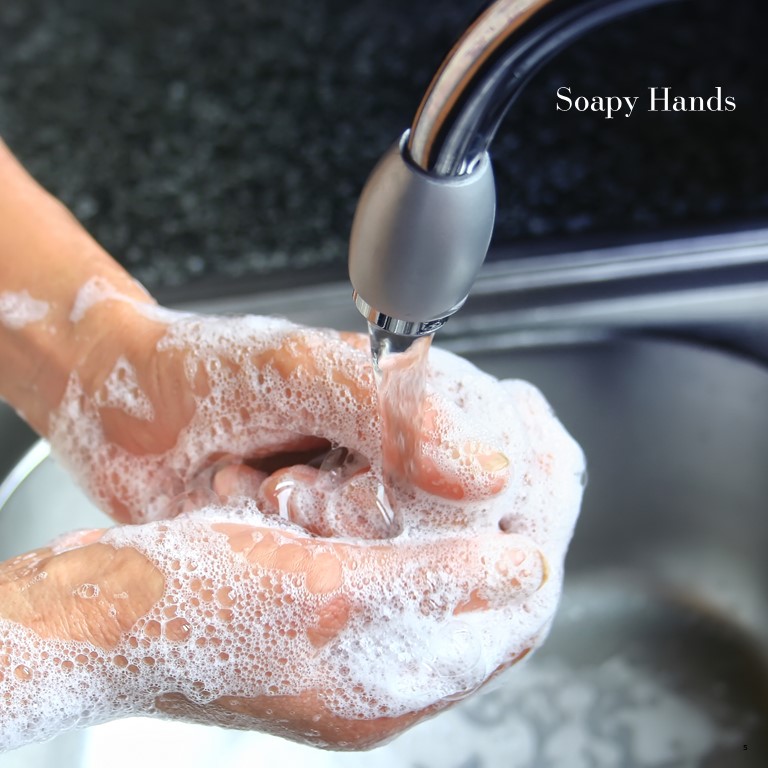
Often you feel stress and tension because you are feeling emotional about your loved one. If they feel pain or loneliness, you may empathetically feel pain or loneliness. Humans are energy based and this energy is based on vibrations in our environments – such as sitting near someone – where we can synch with their feelings, both good and bad.
In caregiving, we call this compassion fatigue which is the state of feeling emotionally drained from all the care we are providing no matter if we are happy to do so, or where we may absorb some of the negative energy of a loved one and feel it ourselves.
In these instances, it may help to use tactile relaxation techniques, such as taking a nap with a weighted blanket for comfort or something as easy as rubbing your hands under warm soapy water. Washing your hands under sudsy water for a few minutes has science-backed evidence that can help increase your emotional health.
One study found hand washing not only is hygienic to wash away germs but it also washes away any feelings of failure and guilt and boosts your optimism. Another Florida State University study done on dishwashing and mindfulness found participants reported a decrease in nervousness by 27% and an increase in mental inspiration by 25%.1
The warmth of the water and the soft soap are a tactile activity (of the five senses it is touch) to help to reduce stress and help your brain to calm any stressful feelings. Baths and showers are great but if you only have a couple of minutes, try washing your hands under warm soapy water to relax.
Silent Walking
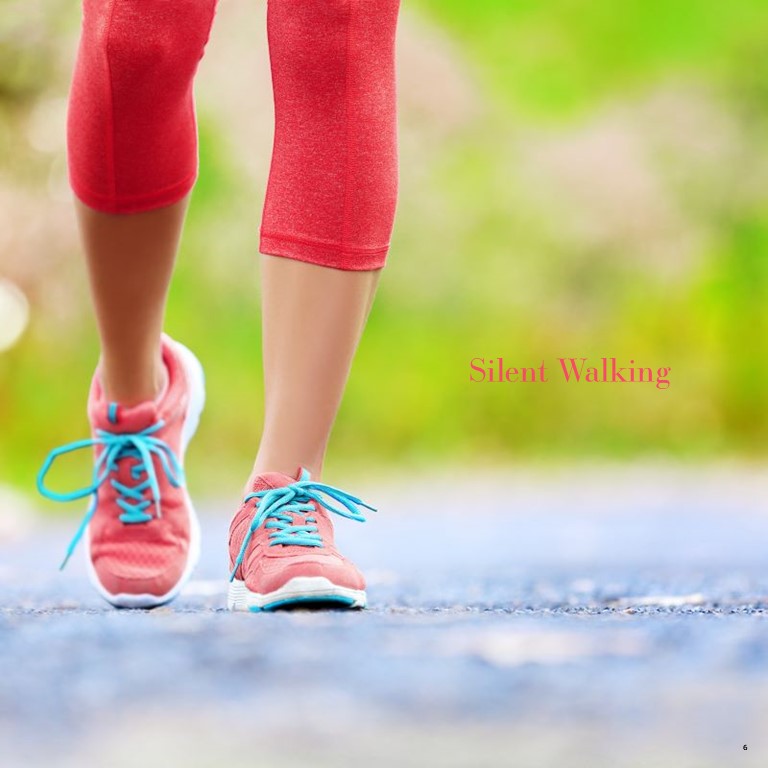
While any walking is great for stress relief and walking outside in nature is the optimal way to walk, a recent Tik Tok trend is to do Silent Walking to actually help you relax. Tik Tok is not my “go-to” for wellness advice but this one has some science-based merit.
“Walking in silence” refers to the practice of walking without distractions like music, podcasts, or conversation, often with the intention of practicing mindfulness and connecting with the present moment. Called Silent Walking, this solo activity encourages you to be more aware of your surroundings and thoughts, potentially leading to stress reduction and improved mental clarity.
You get maximum benefit from Silent Walking by doing it outside in nature – obviously walking with a friend and having a conversation, walking with your dog which cause you to focus on the dog or going to a noisy gym is the opposite of this new relaxation exercise. It is being solo and silent that are the keys to really relaxing.
“The idea of silent or mindful walking is that people try to stay
Rael Cahn, PhD, MD, clinical associate professor with the Department of Psychiatry and Behavioral Sciences, and director of the Center for Mindfulness Science at the Keck School of Medicine of USC (quoted in health magazine)
in the present moment—when people achieve this,
silent walking can become a very powerful practice.”
Observing Nature
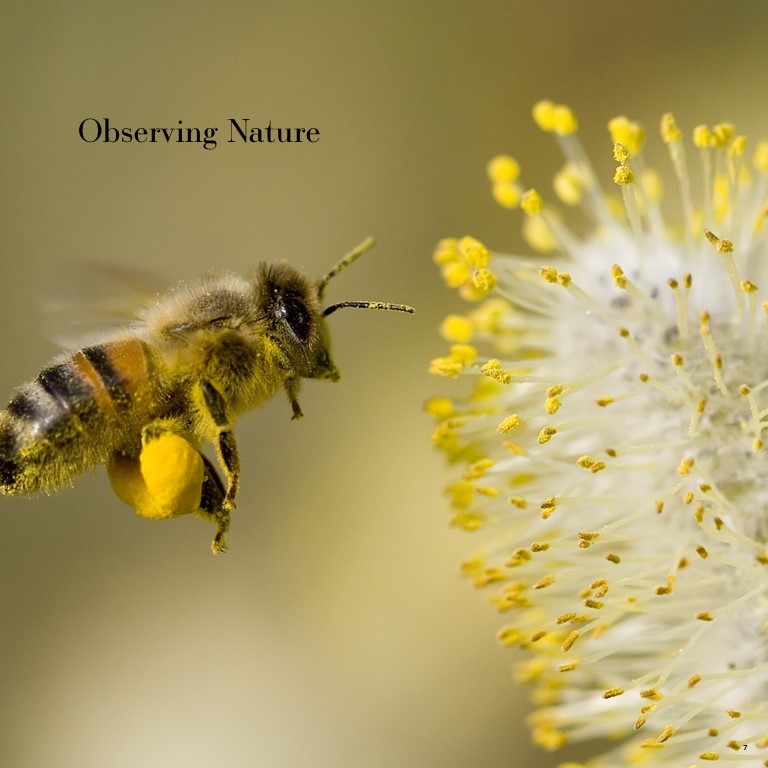
Another relaxation exercise is not really an exercise at all. While Silent Walking takes you outside into nature, observing nature can be done just by sitting or being still. It is different from walking in nature where movement allows you to take in a lot of different nature scenes on your walk. OBSERVING NATURE is where you are focused on one scene and fully present. Watching a bee collect its pollen from flowers, or following the slow crawl of a cute little lady bug across a patio chair, watching and listening to a bird in your garden or on the window sill or just enjoying the gentle sway of the leaves on a tree branch are ways to focus on the awe of nature that is actually an anti-inflammatory and great way to relax for just a few minutes. It brings our noise-polluted brains back into balance by having us be present and focused on nature which offers beauty and wonder.
If you are enjoying these relaxation hacks for caregivers, check out ME TIME MONDAY for more inspiration and practical advice for helping caregivers find self-care solutions in 7 minutes or less and how to bring balance back into your life!
References
1 Hanley, A. W., Warner, A. R., Dehili, V. M., Canto, A. I., & Garland, E. L. (2015). Washing dishes
to wash the dishes: brief instruction in an informal mindfulness practice. Mindfulness, 6(5), 1095-1103.
©2025 Sherri Snelling

0 Comments