

Today (June 21) is the Summer Solstice – the longest day of the year. It is also a celebration of World Music Day. And, June is the month we highlight Alzheimer’s and Brain Health Month.
Summer brings fun, sunshine and social health opportunities to share musical memories with friends and family. For family caregivers, just a few minutes more of daylight means an opportunity to find some much-needed “me time” – even if you just grab 7 minutes to yourself today to be in the sun and nature or listen to your favorite playlist.
Dementia: Music-Making Can Mean Reduced Risk
In dementia circles, Alzheimer’s is known as the “long good-bye” but it seems just recently and suddenly we are losing famous music-makers to Alzheimer’s: golden-voiced pop music legend Tony Bennett, the ultimate cowboy country music star Glen Campbell, silky voiced jazz singer Etta James and just a few days ago, the man who ushered in the ‘60s surf culture and musical innovations such as complex arrangements and sonic textures to the iconic music from The Beach Boys – Brain Wilson.
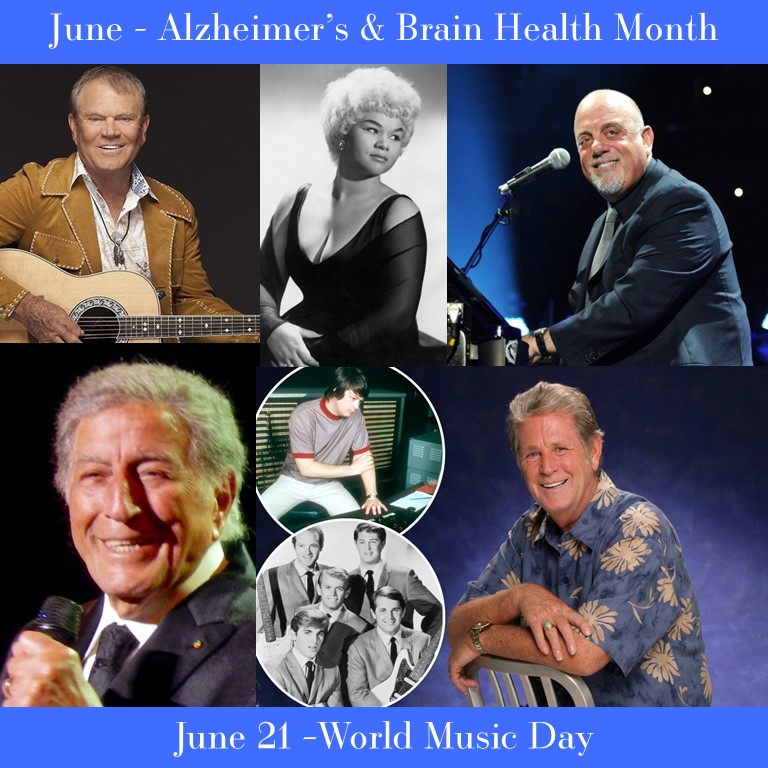
The paradox is that studies have shown musicians (and those who make music not just listen passively to music) have a 64% reduced risk of developing dementia. However, many musicians who are creative geniuses, such as Brain Wilson, suffer from mental health issues such as depression, and can succumb to alcohol and drug abuse – all of which will escalate dementia risk.
Billy Joel and Brain Health
When the ultimate piano man, Billy Joel, announced a pause in his live concerts due to a brain health issue known as normal pressure hydrocephalus (NPH), many feared the worse. It was only a couple of years ago actor Bruce Willis was diagnosed with aphasia, a language and communication issue, to only have it upgraded to frontotemporal dementia (FTD) a year later.
NPH is a specific type of hydrocephalus (an abnormal buildup of cerebrospinal fluid (CSF) in the brain) that can cause dementia according to the Alzheimer’s Association. It tends to affect people in their 60s and 70s and can often be misdiagnosed. It is estimated 700,000 adults will have NPH but only 20% of adults are diagnosed properly so the prevalence could be much higher.
“It is a condition where the ventricles (fluid-filled chambers) in the brain become enlarged due to an accumulation of cerebrospinal fluid, and it can lead to a triad of symptoms: gait disturbance, urinary incontinence, and dementia. While dementia is a symptom of NPH, it’s also important to note that NPH can be a reversible cause of dementia, unlike some other forms of dementia.”
In other words, normal dementia and Alzheimer’s diagnosis, which affects more than 7 million adults, cannot be reversed and the disease will progress over time. But, NPH can cause a temporary dementia that if treated effectively can be eliminated.
NPH can sometimes be caught on brain scans but not always. And the symptoms such as headaches while standing (but not lying down), trouble with balance, incontinence, hearing and vision can often be misdiagnosed as a migraine, allergies, flu or other health issue.
It is important for all of us – but especially family caregivers – to take charge of your brain health and learn more to advocate with doctors and health care professionals for your loved ones.
The Healing Health of Music
Music can often help us heal and improve our mental health as well. A You.gov study showed more than 72% of Americans ages 55+ say music has helped them with challenging times. And we know certain types of music can do everything from help us sleep (classical tunes) to making foods taste sweeter or more savory – a new science of gastrophysics known as sonic seasoning and musical menus.
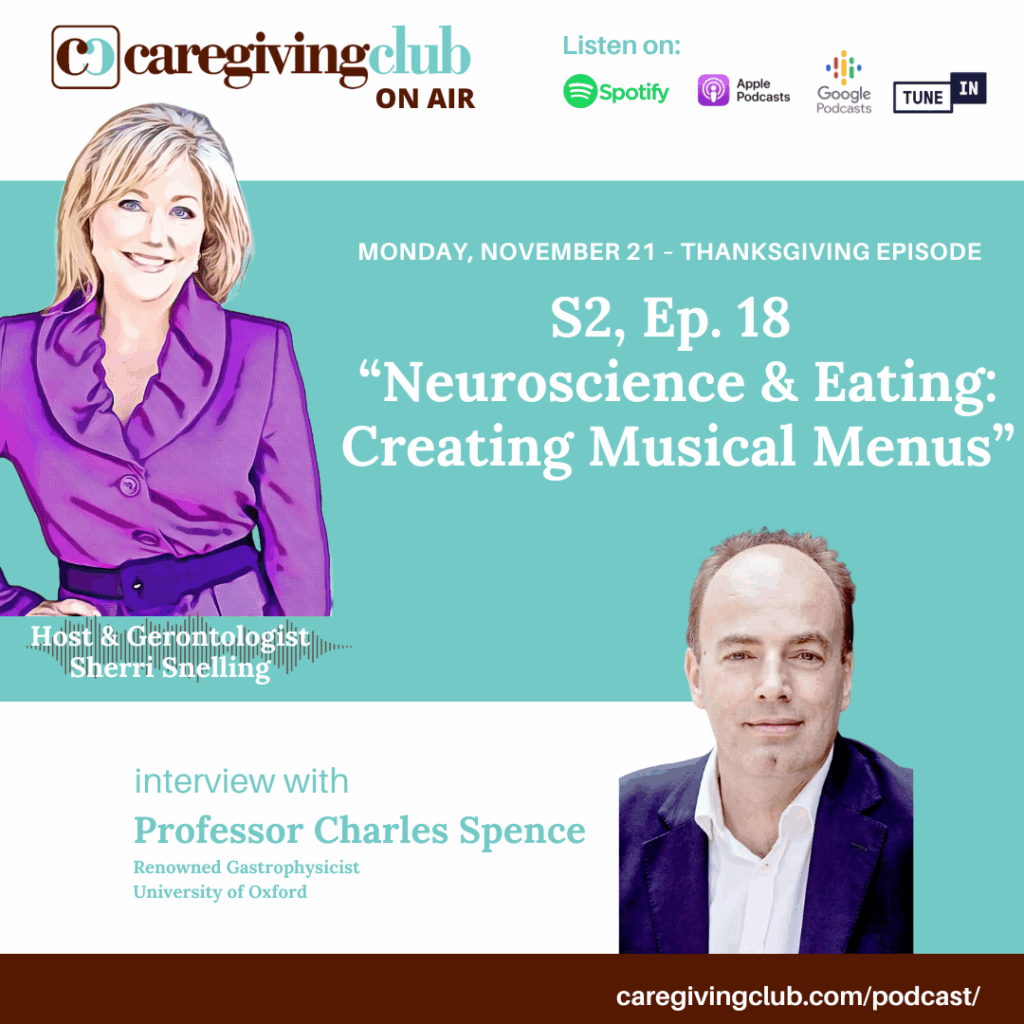
Read Sherri’s Me Time Monday book on sonic seasoning and musical menus and listen to her podcast interview with Dr. Charles Spence – University of Oxford and the world’s renowned gastrophysicist
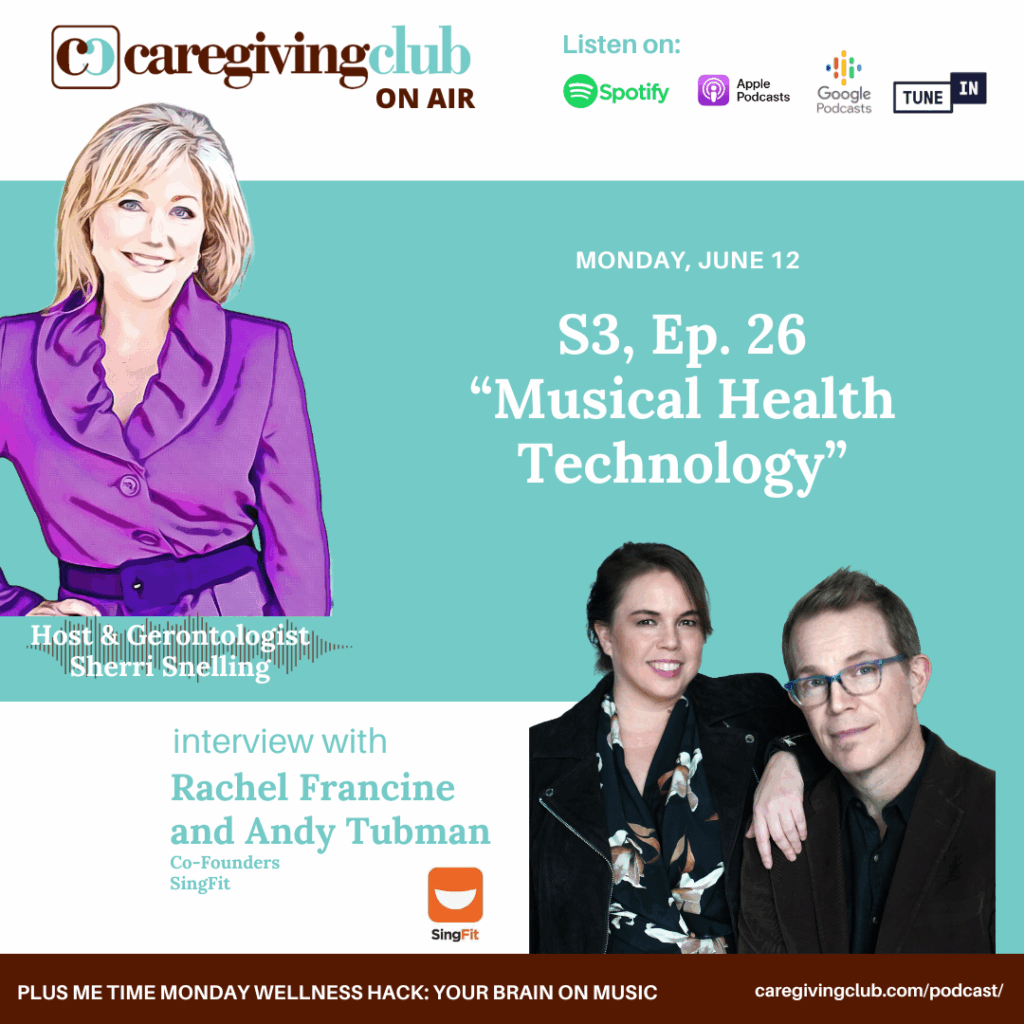
In addition, music therapy and using personalized playlists with loved ones with dementia can reduce anxiety, agitation and depression. The trick is to choose music from their earlier life – their teens through their 20s – to evoke the longest lasting memories our brains have – musical memories.
Learn more about the benefits of music therapy for dementia adults and their family caregivers from my podcast interview with the founders of SingFit – Rachel Francine and Andy Tubman
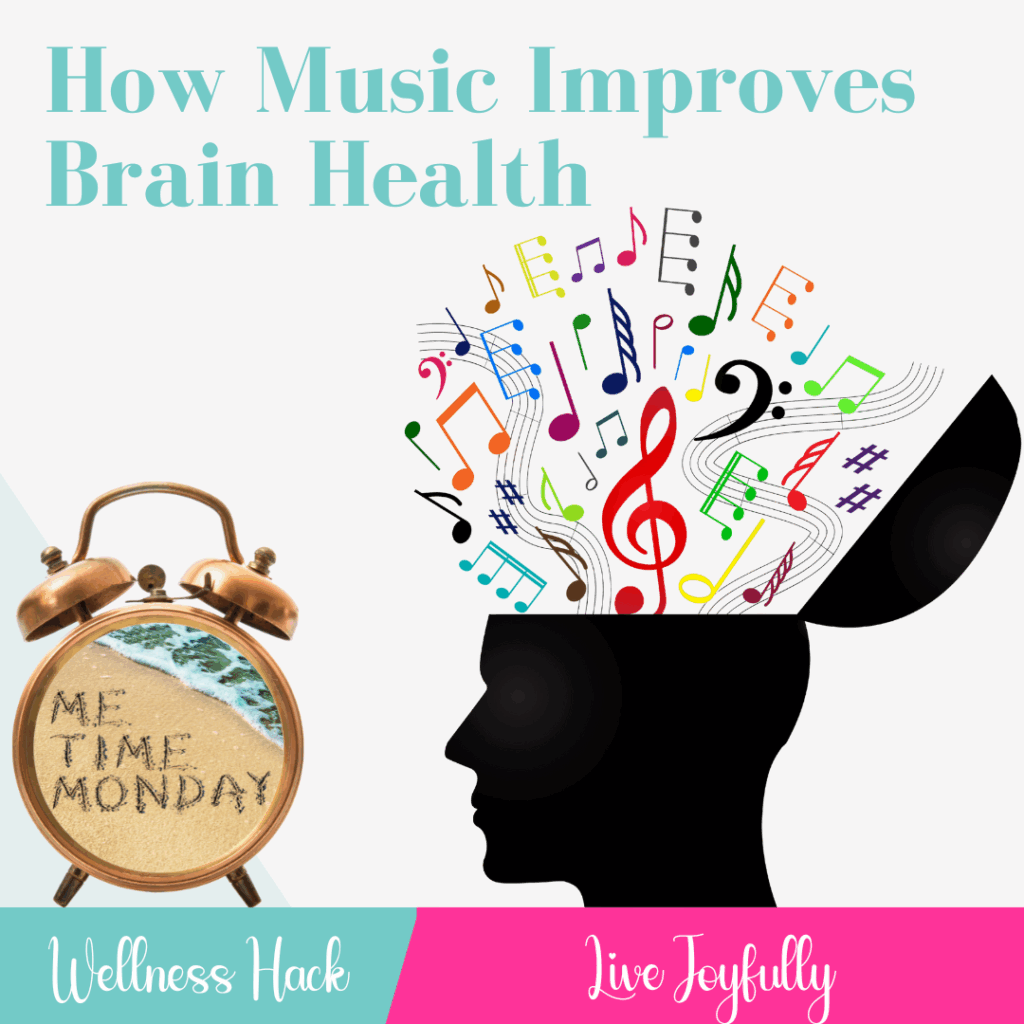
Self-Care For Caregivers (our 7 Minute Wellness Hacks)
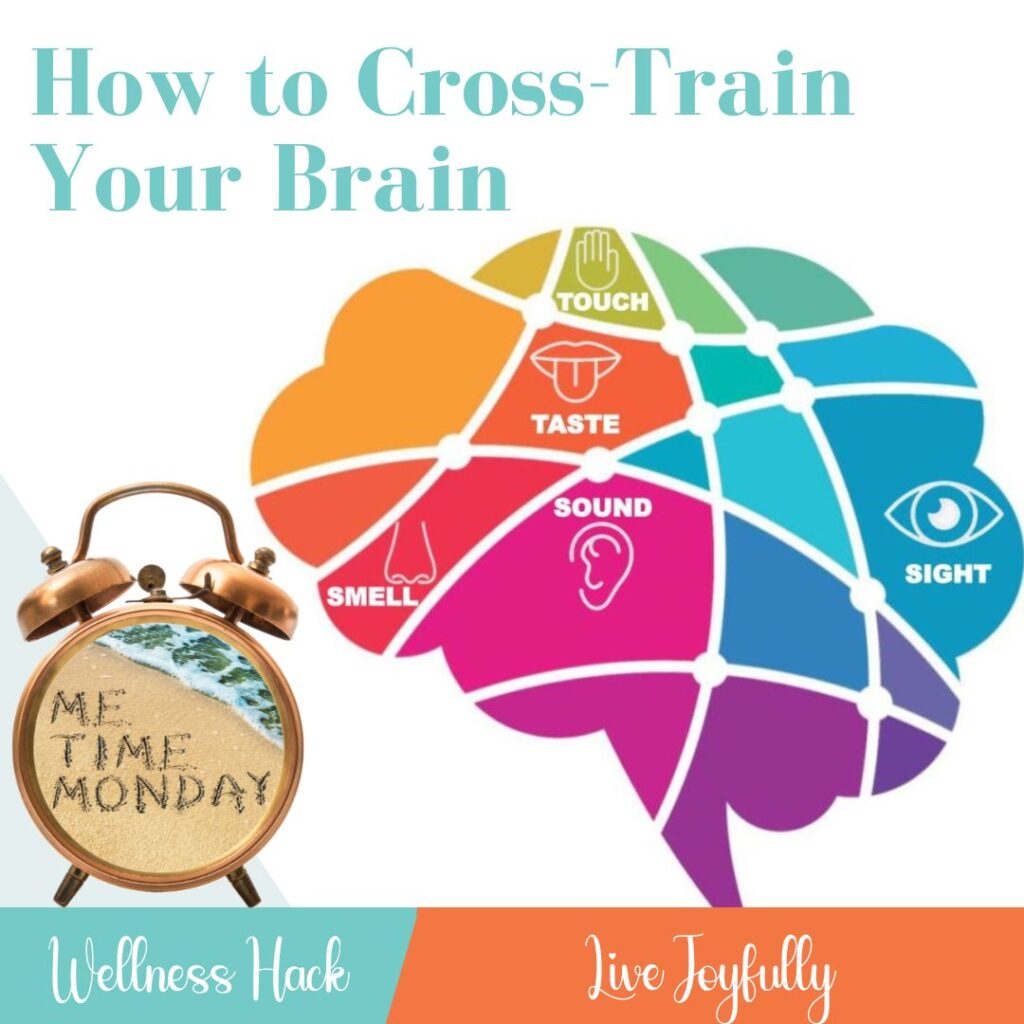
Below are our “Self-Care in 7 Minutes” videos that support brain health from the information in my Me Time Monday book.
My Playlists
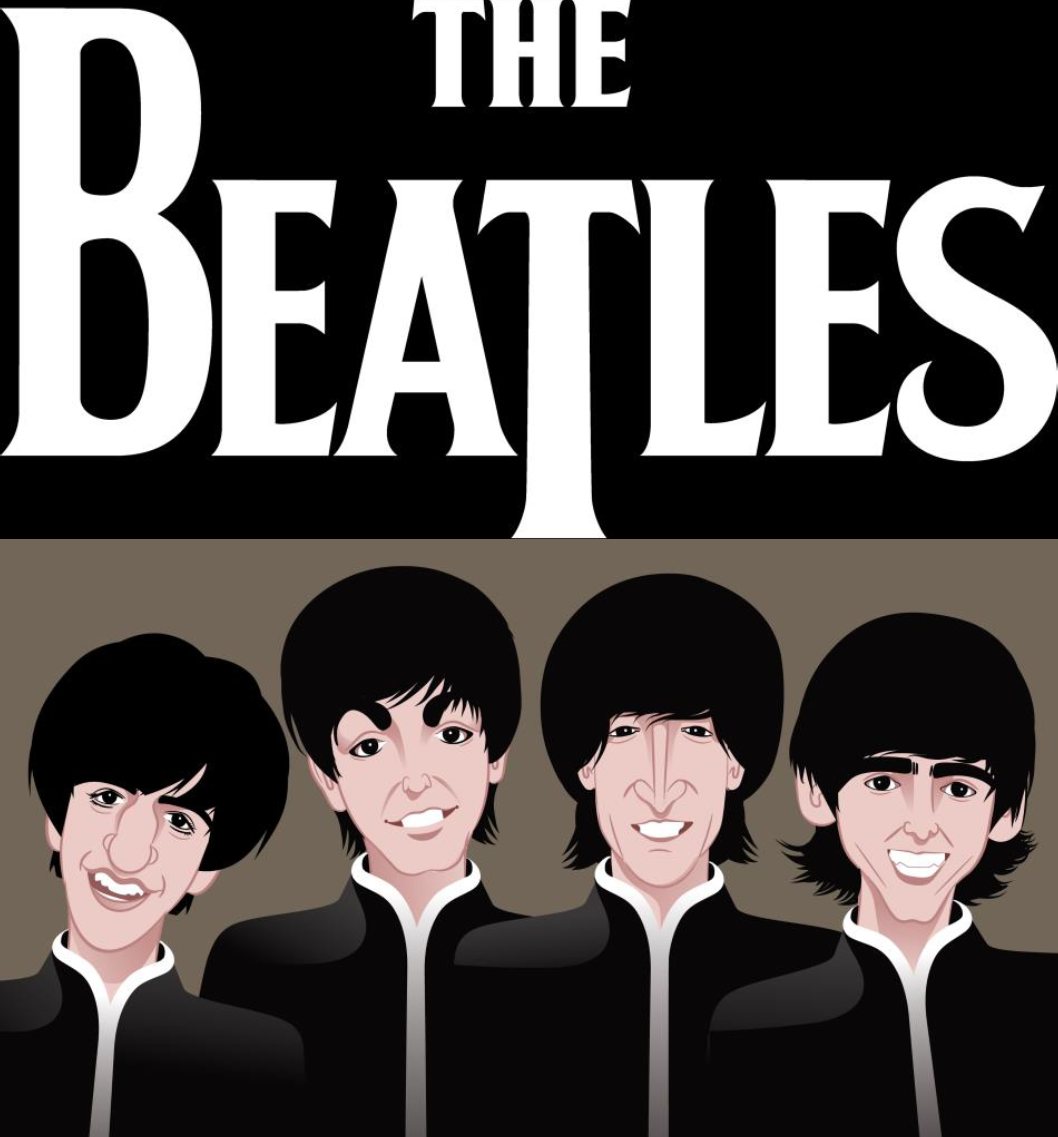
June 25 is World Beatles Day so I compiled my favorite Fab Four tunes:
- Yesterday (nostalgia and Paul McCartney – perfect pairing for reminiscing)
- Long and Winding Road (this was my high school senior year song – still love it)
- Here Comes the Sun (this song just makes you feel positive – it’s a feel good go-to tune)
- Something (George’s gorgeous love song to his then wife, Pattie Boyd)
- All You Need is Love (love the wedding scene in “Love Actually” where the musicians pop up to play)
- 8 Days a Week (don’t we wish we had 8 days????)
- In My Life (really listen to the words in this song – it is for caregivers!)
- Let It Be (perfect song for when you need to let something go that is hurting or haunting you)
- Long Tall Sally (my Mom’s name is Sally so had to include this tune for her)
- Michelle (don’t know why but this always makes me think of Paris)
- Money (That’s What I Want) (yes we all need a little more these days)
- Paperback Writer (had to include this since it has “writer” in it)
- Penny Lane (my dog is named Penny so this one is for her)
- Revolution (makes me think of the late Steve Jobs – they played this tune at the Mac Conference when he announced iTunes would carry the Beatles song book – still the best business event I ever attended)
- Rock and Roll Music (just pure fun and SO danceable!)
- Twist and Shout (my favorite college dance tune – along with “What I Like About You”)
- When I’m 64 (how lovely Paul wrote about aging at a young age – he just turned 83 on June 18 and yes Paul – we still love you)
- With A Little Help From My Friends (what every caregiver needs to play when they feel all alone)
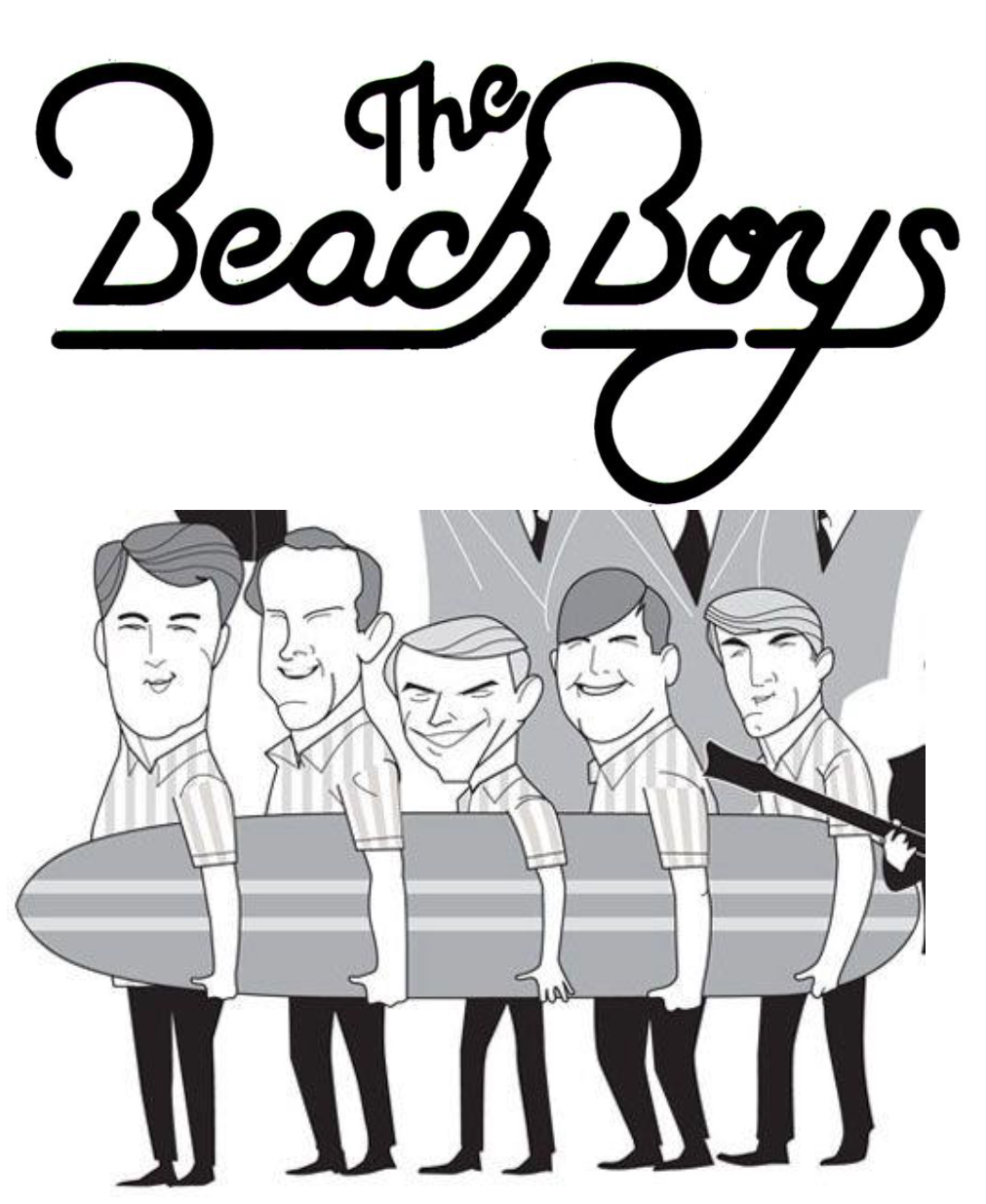
And in honor of International Surf Music Month this June and to commemorate the musical genius of Dennis Wilson – here are my favorite Beach Boys tunes. Since I am a California girl (SoCal) born and raised, I love the Beach Boys – they captured the coastal living/surf vibe that just makes you smile and feel the sun on your cheeks (I added two classic non-Beach Boys surf tunes as well). Listen, feel the sand between your toes and float away on the soothing sonic waves!
- California Girls – I’m a lifelong SoCal gal, what can I say?
- Don’t Worry Baby – something my love of life always tells me
- God Only Knows – nothing truer ever said
- Good Vibrations – love how Brian Wilson innovated this tune with sound of a theremin (one of my fave instruments) – and how it evokes what we know about neuroscience and relationships – our vibrational energy fields are crucial to understanding the new era of functional medicine (read more in my Me Time Monday book chapter “Good Vibrations”)
- Little Deuce Coupe – captures the car culture of California
- Wouldn’t It Be Nice – one of my all-time favorite tunes – hard to not be happy when you hear this
- Sherry, She Needs Me – what can I say – I have to include a song with my name in the title (spelled a little differently)
- Surfer Girl – while I never perfected surfing I did love watching the guys waiting for the perfect wave in “Surf City” – Huntington Beach
- Surfing Safari – just makes you want to dance!
- Surfin USA – again, just dance!
- Wipeout by the Surfaris – the ultimate surf culture song call of the wild
- Surf City by Jan and Dean – honorable mention
References
Balbag, M. A., Pedersen, N. L., & Gatz, M. (2014). Playing a musical instrument as a protective
factor against dementia and cognitive impairment: a population‐based twin study. International journal of Alzheimer’s disease, 2014(1), 836748.
©2025 Sherri Snelling


0 Comments