

What to know about the “Widowhood Effect,” Stages of Grief and Social Wellness Planning
The news of 80-year old Dolly Parton’s passing on August 25 put a pause on the world away from our many woes: the economy, wars, societal strife and political incorrectness.
Dolly was many things: a hall of fame songwriter whose lyrics told the stories of her life and ours; an engaging entertainer who always brought her best to audiences whether on stage, film or TV; an eternal optimist who despite her impoverished beginnings created a multimillion- dollar entertainment empire built on her million-dollar never-wavering smile and talents: and she was the ultimate worldwide influencer of joy based on the simple things in life she cherished: family, music and faith.
She was the ultimate uniter. In 2019, the New York Times ran a story with the headline “Is There Anything We Can All Agree On? Yes: Dolly Parton.”
But with all of the wonderful obituaries and tributes to Dolly’s legacy, the one role she played that so many overlooked was devoted wife and recent caregiver to Carl Dean, her husband of almost 60 years.
Key Takeaways
- Dolly Parton may have succumbed to the “widowhood effect” where spouses pass soon after caregiving for a husband or wife
- Why self-care, understanding the grieving process and having a strong social wellness plan can help
- Even self-starters and strong women need support
Superstar Spousal Caregiver and the Widowhood Effect
She built an entertainment empire over her 60-year career that included businesses such as her version of an Appalachian Disneyland known as Dollywood and philanthropies such as her beloved her Imagination Library, which in three decades has distributed 300 million free books to babies and young children. Joy was her brand and she shared it with the world. But she put it all on hold for Carl once he received an official diagnosis of Alzheimer’s in 2019.
Dolly’s devotion and focus on her husband’s dementia needs became her full-time job, as it is with many spousal caregivers. In 2022, she stopped touring and doing long engagements and committed to being by Dean’s side at their Nashville home as his Alzheimer’s became progressively worse.
Dolly died just 18 months after the death of her husband of 59 years, Carl Dean.
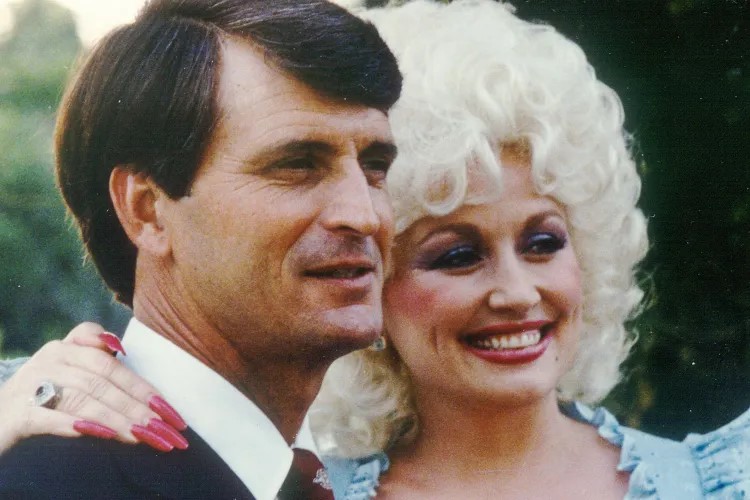
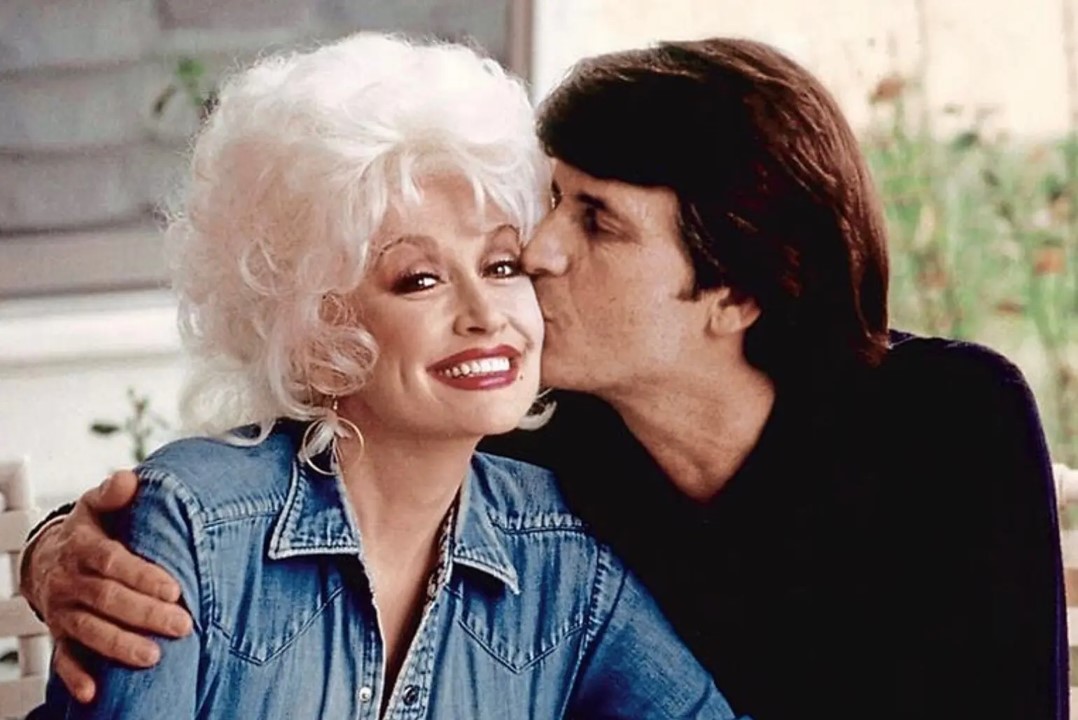
She admitted in a social media post that, “I’ve got some problems, as I mentioned. Back when my husband Carl was very sick, that was for a long time, and then when he passed, I didn’t take care of myself, so I let a lot of things go that I should’ve been taking care of.”
Studies of dementia caregivers show they have more intense caregiving experiences due to the neurodegeneration aspect of the disease: loss of memory including maybe not recognizing a spouse, possible sundowning (paranoid outbursts) or wandering which 60-70% of Alzheimer’s adults experience. Ultimately, people living with dementia have an inability to speak or answer questions, dress or feed themselves. One study of dementia caregivers showed the significant negative impact to their health:1
- 24% more stress hormones than other caregivers
- 15% less antibodies compromising their immune systems to fight colds and other chronic conditions
- 2-3 times the level of depression that can lead to other health issues
By ignoring her own health and wellness needs, Dolly put herself at risk that may have led to her passing so soon after her husband. Gerontologists call this the “widowhood effect.”
What Helped Dolly Grieve: Family, Music and Faith
Dolly may have been a “hillbilly” (as Barbara Walters in their famous interview derisively called her before Dolly dropped the mic on her) but she was classier than most people and certainly most celebrities. Part of this class act was keeping her personal life private.
In a world where every bite of food or inane activity becomes an Instagram or TikTok post, Dolly and Dean maintained a loving marriage despite miles and months apart. Her tribute to him, a very private man, was to not talk about their lives. She focused on her career and kept the marriage under wraps.
She did the same through Dean’s health decline. Not posts of hope or help. And, as the capable woman she was, no seeking a lot of outside help and if she did, she turned to family. It had been just she and Dean for 59 years and she was not going to change that just because he had a devastating diagnosis. But as one of 12 siblings, her tightknit clan was always there for her.
Even after his passing, she mentioned him only when her emotions overtook her, such as an appearance she made at Dollywood – which Dean loved to attend incognito – where she exhibited an uncharacteristic crying jag. She apologized to the crowd and fans stating, “He was my rock and I miss him so much.”
We all grieve in different ways. Dolly wrote a song about her love story with Carl Dean and staged a Broadway musical about her life that included him for which she said, “If he were still alive he would kick my butt for including him in the show.”
She also turned to her faith which had been her other constant in life. God and Carl Dean was all she needed.
But even though she was surviving, her grief process was a slow recovery through the 5 Stages of Anger, Denial, Bargaining, Depression and Acceptance and moving to the 6th stage of Meaning. She was still working through her grief and depression when her neglect of her own health caught up with her and led to her decline. In the end, she succumbed to cancer just a little over a year after the death of her soul mate.
She experienced the “widowhood effect” which is when a spouse dies within months of losing a partner. Ignoring self-care, healthy habits, having increased chronic anxiety and depression, and just feeling lonely can take a toll on spousal caregivers. This is why social health – having a strong network of family and friends around you – can help when you lose a longtime love.
Why Strong Women Caregivers Still Need Help with Self-Care
The widowhood effect is a risk factor for spousal caregivers but especially for wives who tend to live longer than their husbands and are the hands-on caregivers to a spouse later in life.
As we transition from August National Wellness Month to September Self-Care Awareness Month, Dolly Parton’s passing becomes a cautionary tale for spousal caregivers when it comes to health, longevity and well-being.
Dolly was a capable entrepreneur who had navigated the complexities and competitiveness of the cut-throat Hollywood industry, country music and more.
She survived it all and in her personal life she did so many things right: She had passion and purpose throughout her life, she had a strong spiritual wellness and her faith in God, she had a confidante in Carl Dean – although he was not physically by her side, he remained her emotional wellness touchstone. She had built a strong social health posse – with a large family and many friends collected throughout her career.
But her admitted lack of self-care and still grieving the sense of loss after Dean’s passing led to her own decline. If we learn anything from Dolly it is when we express love, we have to have three parties in that equation: the person we bond with, our faith and ourselves.
In 2025, $25 million in federal funding for respite innovation had been announced. While we are making progress, only 14% of dementia caregivers currently access any respite services.
FAQs
Q: How many Americans are caregiving for a spouse?
A: Almost 6 million Americans are caring for a spouse – about 10% of the total 63 million caregiver population.2 However, as age increases so does the percentage of spousal caregivers. A 2026 Pew Research study showed this number was only 3% yet it increases with age: 32% of those with spouse or partner age 75 or older are caregivers, compared with 21% of those with a spouse or partner age 65 to 74.3
Q: Is spousal caregiving more exhausting since it is 24/7?
A: According to the 2025 AARP/National Alliance for Caregiving “Caregiving in the U.S. report, on average, caregivers of adults 50-plus have been caregiving for five years and spend 26 hours per week providing care (compared to an average of 3.9 years and 22 hours per week of care in 2020). This does include adult children caregivers but with age brings more intense caregiving and the burden typically falls first on a spouse or partner and then on an adult daughter or son.4
In addition, nearly 1 in 4 caregivers care for someone 50-plus with a memory issue or a form of dementia. These caregivers are often providing higher intensity care and more often experiencing negative financial, health, and well-being impacts.5
A National Institute of Health study found Caregiving spouses are less likely than other family caregivers to hire paid caregivers or use community services, especially if they are women.6
Q: Is it true that many spouses die within 2 years of their spouse passing, particularly if they had a long marriage?
A: The time between deaths of spouses can be much closer than two years. Gerontologists call this the “widowhood effect.”
A 2023 analysis of data from nearly one million Danish citizens age 65 and older found that the younger people were when their spouse died, the more likely they were to die within a year. Men in this scenario faced a 70% higher risk of dying, while women faced a lower risk (27%) compared to women who did not lose their spouse.7
Another study found similar risks showing people had a 66% increased mortality risk within the first 90 days of losing their spouse, regardless of gender.8
According to a National Institute on Health study, “While spouses are not the only family members involved in caregiving during the last years of life, they experience more burden and depression than other family members do, including increased anxiety about loss20 and negative consequences after bereavement.” 9
And finally, a 2018 study by researchers at Rice University, found men and women suffering intense grief after their spouse’s passing experienced up to 17% higher levels of inflammation in their bodies. The deleterious effect of inflammation is seen in everything from Alzheimer’s to asthma to angina and many chronic illnesses that can escalate death.10
Resources
Here are some resources for respite care that can help family caregivers get a needed break to refresh and reset:
ARCH National Respite Care Network – good information and connections to agencies and other respite care services nationwide
Care.com – its business enterprise group is a resource for employers and their employees who are caregiving. You can connect with a senior care expert to find local respite care or use their professional caregiver marketplace where you can find respite and companion care services much like a matchmaking service where you choose the direct care worker from a list of independent professional caregivers
Comfort Keepers – for more than 25 years these trusted professional in-home care workers help bring companionship to older adults and give family caregivers a break to focus on joyful moments with their loved one and for themselves
Hilarity for Charity – dedicated to supporting dementia caregivers, you can apply for a scholarship, called a “care grant” to receive free respite care
Respitely – Engages the family, friends, colleagues who want to help the family caregiver they know – they can fund “CareGifting” respite care to those caregivers (like a “GoFundMe” but specifically meant to give the family caregiver a break)
UsAging – Area Agencies on Aging are located in most counties nationwide and can guide you to local respite services including those you may be able to get for free
Veteran’s Administration Caregiver Support Program – The caregivers of veterans can receive up to 30 days per calendar year of free respite care. This care can be delivered to the veteran in their home, an adult day care center or a VA Community Living Center or nursing home
Also, apps such as Caring Bridge, can provide invited family and friends a digital option to volunteer to provide respite care for the family caregiver.
REFERENCES
1 Vitaliano, P. P., Zhang, J., & Scanlan, J. M. (2003). Is caregiving hazardous to one’s
physical health? A meta-analysis. Psychological bulletin, 129(6), 946.
2 AARP/NAC (July, 2025) Caregiving in the U.S. 2025 Report. Washington, DC. Retrieved:
https://www.aarp.org/pri/topics/ltss/family-caregiving/caregiving-in-the-us-2025
3 Parker, Kim (February 26, 2026). Family caregiving in an aging America. Pew Research Center,
Washington, DC. Retrieved: https://www.pewresearch.org/social-trends/2026/02/26/family-caregiving-in-an-aging-america/
4 ibid.
5 ibid.
6 Ornstein, K. A., Wolff, J. L., Bollens-Lund, E., Rahman, O. K., & Kelley, A. S. (2019). Spousal
Caregivers Are Caregiving Alone In The Last Years Of Life. Health affairs (Project Hope), 38(6), 964–972. https://doi.org/10.1377/hlthaff.2019.00087
7 Alexandros Katsiferis, et. al. (March 22, 2023) Sex differences in health care expenditures and
mortality after spousal bereavement: A register-based Danish cohort study. PLOS One. Retrieved: https://journals.plos.org/plosone/article?id=10.1371/journal.pone.0282892
8 Elwert, F., & Christakis, N. A. (2008). The effect of widowhood on mortality by the causes of ‘ death of both spouses. American journal of public health, 98(11), 2092-2098.
9 ibid. 3
10 Rice University, (October 23, 2018) For the brokenhearted, grief can lead to death (2018).
ScienceDaily. Retrieved:
©2026 Sherri Snelling



0 Comments